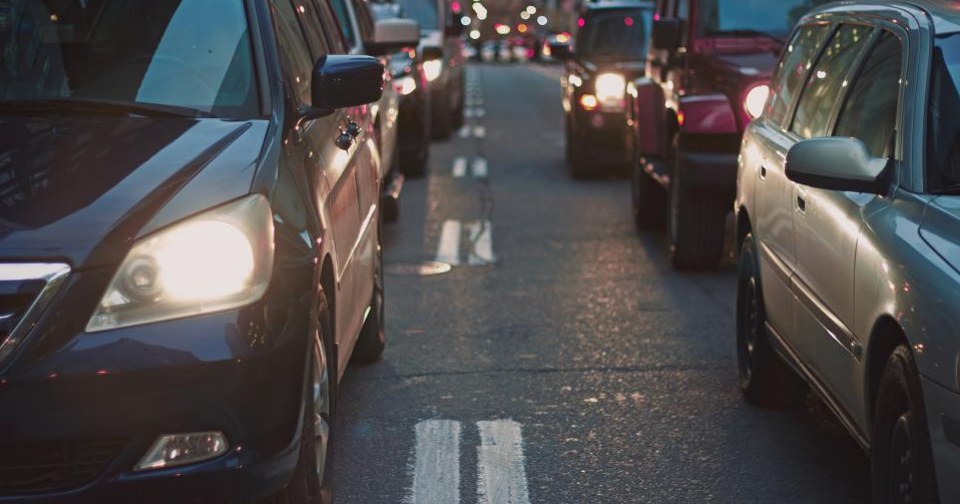
Getting around every day takes time, energy and money, yet most of us follow the same habits without thinking. A little planning can make your trips smoother, less stressful and more efficient. This guide explains simple, practical ways to plan everyday journeys, whatever you drive or however you travel.
Why Trip Planning Matters
Every journey has a purpose: getting to work, collecting groceries, dropping children at school or meeting friends. When we do not plan, we often make extra trips, get stuck in busy traffic or arrive late and stressed.
Good planning does not need to be complicated. It simply means thinking for a minute about where you need to go, when, and what the best way to get there is. The benefits add up quickly:
- Less time spent waiting in traffic or searching for parking.
- Less wear on your vehicle from needless short trips.
- A calmer mood, because you are not rushing.
- Fewer last-minute decisions that can lead to mistakes on the road.
Combine Errands Into One Trip
One of the easiest habits to build is “trip chaining”. Instead of making several small journeys through the day, link your errands into one sensible loop.
A vehicle usually works least efficiently in the first few minutes after a cold start. Many short trips mean the engine and other parts spend more of their time in this less efficient stage. One longer, well-organised trip is often kinder to your vehicle than many short ones.
To chain your errands well:
- Write down everything you need to do that day or week.
- Group places that are close to each other.
- Visit the farthest place first, then work your way back towards home.
- Leave shops with chilled or frozen items for the end of the loop.
Choose the Right Time to Travel
The same road can feel very different at different times of day. Busy periods, school runs, market days and local events can all slow traffic. If your schedule is flexible, leaving a little earlier or later can make the journey calmer.
Weather matters too. Heavy rain, fog or strong sun low on the horizon can make driving more tiring. If a trip is not urgent, you may choose a time when conditions are better. When you must travel in difficult weather, allow extra time so you never feel pressure to rush.
Before you set off, it helps to:
- Check the local traffic and weather news.
- Look for road works or closures on your usual route.
- Think of an alternative route in case your first choice is blocked.
Consider Other Ways of Getting Around
A car is not always the best tool for every trip. Mobility is about choosing what suits the journey. For short distances, walking or cycling can be quicker than you expect, especially in busy areas where parking is difficult. They also add some gentle exercise to your day.
For longer trips into town centres, buses, trains and trams can remove the stress of traffic and parking. Sharing rides with colleagues, neighbours or family is another good choice. When several people travel together, there are fewer vehicles on the road and the effort of driving can be shared.
Ask yourself a few questions before each trip:
- How far is it, and how much do I need to carry?
- Is parking easy at my destination?
- Could I walk, cycle or use public transport for part of the way?
- Is someone else heading the same way?
Drive Smoothly to Make Every Trip More Efficient
Once you are on the road, your driving style has a big effect on how efficient your journey feels. Smooth, calm driving is safer and usually gentler on your vehicle.
- Look ahead. Watching traffic far in front lets you slow down gradually instead of braking hard.
- Accelerate gently. Sudden, sharp acceleration wastes energy and can unsettle passengers.
- Keep a safe following distance. This gives you time to react and reduces the need for sudden stops.
- Remove unnecessary weight. Heavy items you do not need can be taken out of the boot or roof area.
- Keep your vehicle in good condition. Regular tyre checks and routine servicing, as described in your owner’s manual, help your vehicle run as it should.
Use Technology Wisely
Modern vehicles and phones offer helpful tools such as navigation, live traffic information and trip reminders. They can be useful for finding a clear route or estimating arrival time. However, they should support your judgement, not replace it.
Set up your route before you start driving, not while you are moving. If you need to change something, pull over in a safe and legal place first. Remember that road signs, local rules and your own observation always come before any screen.
Prepare for the Unexpected
Even a well-planned trip can go wrong. A little preparation helps you stay calm. Make sure someone knows roughly where you are going on longer journeys. Keep your phone charged, and check that you have the basic items recommended in your owner’s manual and by local guidance. Allow a small time cushion so a delay does not turn into a rush.
Build a Simple Weekly Routine
Planning works best when it becomes a habit rather than a chore. Take five minutes at the start of the week to look at what is coming up. Note appointments, school or work times, shopping needs and any social plans. Seeing everything together makes it easier to spot where two trips could become one, or where a walk or shared ride would work well.
It also helps to keep a few simple habits near the door:
- Keep a small list of regular errands so nothing is forgotten.
- Check that your vehicle has enough fuel or charge for the day ahead.
- Pack bags, documents and drinks before you get in the vehicle, not while the engine is running.
Over time, these small routines save many minutes and make every journey feel more relaxed. If your plans change, simply adjust and carry on. The goal is not a perfect schedule, only a calmer and more thoughtful way to travel.
Conclusion
Planning everyday trips is one of the simplest ways to travel more efficiently. By combining errands, choosing sensible times, considering other transport options and driving smoothly, you save time and reduce stress. You also help your vehicle last longer. Start with one small change this week, such as grouping your errands into a single loop, and build from there.
This article is for general educational purposes only. Always follow your vehicle owner’s manual, local traffic laws and the advice of a qualified mechanic for your specific vehicle.