Car conversations can feel like a foreign language. Words such as “torque”, “transmission” and “drivetrain” appear in manuals, dashboards and chats with mechanics, and it is easy to nod along without being sure what they mean. This guide explains common car terms in plain English so you can feel more confident behind the wheel.
Terms About the Engine and Power
The engine is the part of a car that turns fuel, or stored electrical energy in some vehicles, into motion. Many of the words you hear are simply different ways of describing how that power is made and used.
- Engine: The machine that creates the power to move the car. Some cars use a fuel engine, some use an electric motor, and some use both.
- Horsepower: A way of describing how much work an engine can do over time. In everyday terms, more horsepower generally means the car can reach higher speeds more easily.
- Torque: The twisting force that gets the car moving and helps it climb hills or carry heavy loads. You often feel torque as a push in your seat when you press the accelerator.
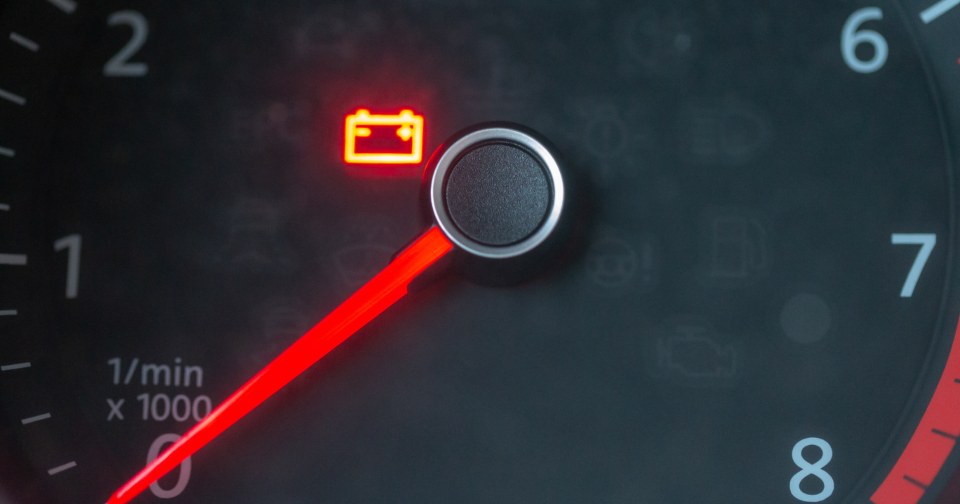
- RPM: Short for revolutions per minute. It shows how fast the engine is spinning, and many cars have a gauge called a tachometer to display it.
- Idle: The steady, low speed an engine runs at when the car is stopped but switched on.
Understanding these words helps you describe how a car feels to drive. If a mechanic asks whether the car lacks power or shakes at idle, you will know exactly what they mean.
Terms About Getting Power to the Wheels
Making power is only half the job. The car also has to send that power to the wheels, and a group of parts works together to do it.
- Transmission: The system that passes power from the engine to the wheels and adjusts it for different speeds. You may hear the words “automatic” and “manual”, which describe whether the car changes gears for you or you do it yourself.
- Gears: Sets of toothed wheels that let the engine work comfortably at both low and high speeds. Lower gears help with starting and climbing, while higher gears suit steady cruising.
- Drivetrain: The full set of parts that carry power from the transmission to the wheels.
- Front-wheel drive, rear-wheel drive and all-wheel drive: These describe which wheels receive power. Front-wheel drive powers the front wheels, rear-wheel drive powers the back wheels, and all-wheel drive can send power to all four.
- Clutch: In a manual car, the pedal and parts that briefly disconnect the engine from the transmission so gears can be changed smoothly.
Knowing the difference between these terms can help you understand how a car may behave on wet roads, in snow or on steep hills. Your owner’s manual explains which type your car has.
Terms About Stopping, Steering and Ride Comfort
Safe driving depends on a car that can slow down, turn and stay steady. Several terms describe the parts responsible for this.
- Brakes: The system that slows and stops the car. Most cars use pads that press against discs attached to the wheels.
- ABS: The anti-lock braking system. It helps stop the wheels from locking during hard braking so you can keep steering.
- Suspension: The springs and dampers that connect the wheels to the car body. They absorb bumps and help keep the tyres in contact with the road.
- Steering: The system that lets you point the front wheels where you want to go. Many cars use power assistance to make turning easier.
- Wheel alignment: The angle at which the wheels sit. Poor alignment can make a car pull to one side or wear tyres unevenly.
- Traction: The grip between the tyres and the road surface. Traction changes with weather, road condition and tyre care.
If you notice a change in how your brakes feel or how the car steers, treat it seriously. These systems are vital for safety, so a qualified mechanic should inspect any concerns.
Terms You See on the Dashboard
The dashboard is your car’s way of talking to you. Learning its vocabulary helps you notice small issues before they become big ones.
- Speedometer: Shows how fast the car is travelling.
- Odometer: Records the total distance the car has travelled in its life.
- Fuel gauge: Shows roughly how much fuel is left. In electric vehicles, a similar display shows the remaining battery charge.
- Temperature gauge: Shows whether the engine is running at a normal temperature.
- Warning lights: Symbols that light up to tell you something needs attention. Their meaning is listed in your owner’s manual.
A warning light is not something to ignore. Some lights are gentle reminders, while others mean you should stop driving as soon as it is safe. Check your manual to learn which is which.
Terms You Hear at the Garage
When your car goes in for care, the mechanic may use words that sound technical. Here are a few friendly translations.
- Service: A routine check and upkeep visit to keep the car running well.
- Diagnostics: Using tools and tests to find the cause of a problem.
- Fluids: The liquids that keep a car working, such as engine oil, coolant, brake fluid and washer fluid.
- Battery: Stores electrical energy to start the car and run electrical equipment.
- Alternator: The part that produces electricity while the engine runs and keeps the battery topped up.
Do not be shy about asking a mechanic to explain a term in simpler words. A good mechanic is happy to help you understand what is happening with your car.
Terms About Newer Vehicle Types
Cars are changing, and so is the vocabulary. You may come across these words more often as electric and hybrid vehicles become common.
- Hybrid: A car that combines a fuel engine with an electric motor and battery.
- Electric vehicle: A car powered by an electric motor and a rechargeable battery instead of a fuel engine.
- Regenerative braking: A system that recovers some energy when you slow down and sends it back to the battery.
- Charging port: The socket where an electric vehicle connects to a power source.
- Driver-assistance features: Technology such as cameras and sensors that help with tasks like parking or staying aware of traffic.
These systems vary between vehicles, so rely on your owner’s manual to understand what your car can and cannot do. High-voltage parts in electric and hybrid cars should only be handled by trained professionals.
Conclusion
Learning common car terms makes driving and ownership less intimidating. When you understand words like torque, transmission, suspension and traction, you can read your manual with ease, notice changes in your car and talk clearly with a mechanic.
You do not need to memorise everything at once. Start with the terms that appear on your dashboard and in your owner’s manual, then add new ones as you go. Over time, the language of cars will feel familiar, and that confidence helps you drive more safely and care for your vehicle more wisely.
This article is for general educational purposes only. Always follow your vehicle owner’s manual, local traffic laws and the advice of a qualified mechanic for your specific vehicle.