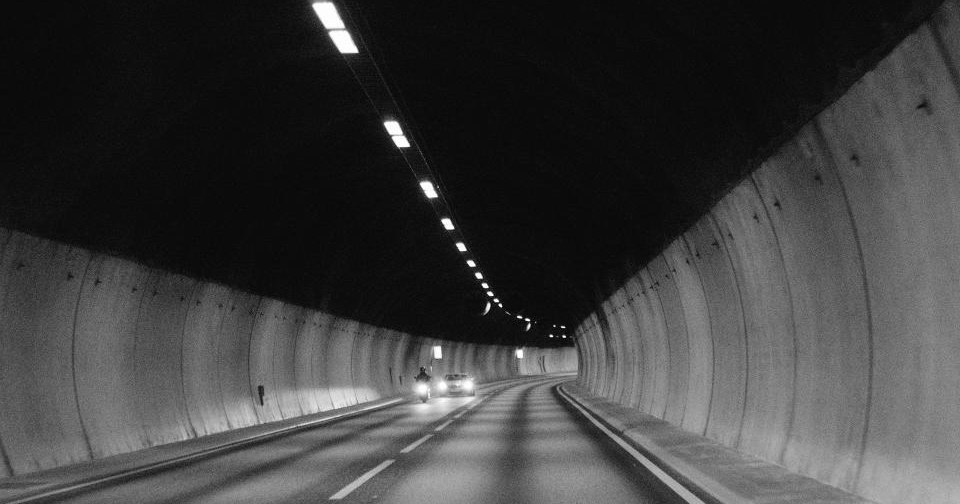
Driving after dark feels very different from driving in daylight. You can see less, distances are harder to judge, and tired eyes make everything more difficult. The good news is that a few simple habits can make night driving calmer and safer.
Why Night Driving Feels Harder
In low light, your eyes have to work much harder. Colours look faded, details are harder to pick out, and your side vision is weaker than usual. Your eyes also take time to adjust when you move between bright streetlights and dark stretches of road.
Judging distance and speed becomes trickier too. A pair of distant lights can seem far away one moment and surprisingly close the next. Because of this, it helps to treat night driving as its own skill rather than simply “daytime driving with the lights on”.
Fatigue plays a part as well. Many people feel naturally sleepier in the late evening and overnight hours, which can slow reactions without you noticing. Knowing these challenges is the first step to handling them well.
Get Your Car Ready Before You Go
Good visibility starts before you turn the key. A few quick checks can make a real difference once the sun goes down.
- Test all your lights. Check headlights on both low and high beam, plus tail lights, brake lights and indicators. A helper can stand behind the car while you press the brake pedal.
- Clean the glass. Dirty windscreens scatter light and create glare. Clean the inside as well as the outside, because a thin film can build up on the inside surface.
- Clean the lights themselves. Dust and grime on headlight covers can reduce how far the beam reaches.
- Check the mirrors. Make sure they are clean and positioned properly so you can see clearly behind and beside you.
- Look at your wipers and washer fluid. Worn wipers smear and cause streaks that look worse under oncoming lights.
If your headlights look yellowed, cloudy or dim, or one of them seems to point in an odd direction, have them looked at by a qualified mechanic. Headlight alignment is best handled by a professional.
Use Your Lights Wisely
Your lights help you see, but they also help others see you. Switch them on a little before it gets properly dark, rather than waiting until you can barely see the road.
Use high beams only where it is legal and safe, such as on empty roads with no other traffic. Switch back to low beams when you see an oncoming vehicle or when you are following another car closely. Bright lights shining into someone else’s eyes or mirrors can dazzle them and put everyone at risk.
It is also a good idea to know how your dashboard shows which lights are on. Many cars have automatic lighting, but these systems do not always react perfectly in fog, rain or twilight. If conditions are poor, switch to manual control and make sure your lights are on.
Remember that your dashboard lights should be easy on the eyes. If your instrument panel is too bright, it can make it harder to see outside. Turn the brightness down to a comfortable level if your car allows it.
Handle Glare and Keep Your Eyes Comfortable
Glare from oncoming vehicles is one of the biggest night-time challenges. When bright lights come toward you, avoid staring directly into them. Instead, look slightly toward the edge of your lane or the left or right edge of the road, and use that line as a guide until the vehicle has passed.
Many mirrors have a night setting. Using it can reduce the dazzle from headlights behind you. Check your owner’s manual if you are unsure how your mirror works.
Here are some other ways to keep your eyes comfortable:
- Give your eyes a minute to adjust when you start a trip from a brightly lit place.
- Avoid looking at your phone or other bright screens before and during the drive.
- If you wear glasses, keep them clean and make sure the prescription is up to date.
- Take regular eye check-ups, because small changes in vision are often more noticeable at night.
If you often feel that night driving is stressful because of glare, halos around lights or trouble seeing, it is worth speaking with an eye-care professional.
Adjust Your Speed and Following Distance
A simple rule applies after dark: you should always be able to stop within the distance you can see. If your lights only show a short stretch of road ahead, you need to slow down so you can react in time.
Leave more space between you and the vehicle in front than you would in daylight. This gives you extra time to notice brake lights and respond. In the same way, take extra care at junctions, bends and hills, where your headlights may not point at the part of the road you need to see.
Watch out for hazards that are hard to spot at night:
- People walking, running or cycling, especially in dark clothing
- Animals crossing the road, particularly in rural areas
- Parked vehicles with no lights on
- Debris, potholes or uneven surfaces
- Roadworks that are poorly lit
Scan the road ahead instead of focusing only on the area lit by your headlights. Look for movement and reflections at the sides of the road. Slowing down early gives you more time to handle anything unexpected.
Stay Alert and Know When to Rest
Tiredness is a serious risk at night. Signs include frequent yawning, heavy eyelids, drifting within your lane, missing a turn, or not remembering the last few minutes of the drive. If you notice any of these, it is time to stop.
A few habits can help you stay alert on longer evening trips:
- Start your journey well rested whenever you can.
- Plan regular breaks and stop in a safe, well-lit place.
- Keep the cabin cool and fresh with a little air flow.
- Avoid heavy meals before driving.
- Share the driving if someone else is with you.
Loud music or an open window may wake you up for a few minutes, but they are not real solutions. The only reliable answer to tiredness is rest. If you feel too sleepy to drive, pull over safely and take a break, or arrange another way to get home.
Also let someone know your route and expected arrival time when you travel late at night. If something goes wrong, they will know where to look. Keep a charged phone, a torch and a few basic items in the car in case you need to wait for help.
Conclusion
Night driving does not have to be stressful. With a well-prepared car, clean glass, working lights, a sensible speed and plenty of rest, you can make after-dark trips much safer and more comfortable. Pay attention to glare, leave extra space, and never push on when you feel tired.
Small habits add up. Build them into your routine, and you will feel more confident whenever the sun goes down.
This article is for general educational purposes only. Always follow your vehicle owner’s manual, local traffic laws and the advice of a qualified mechanic for your specific vehicle.