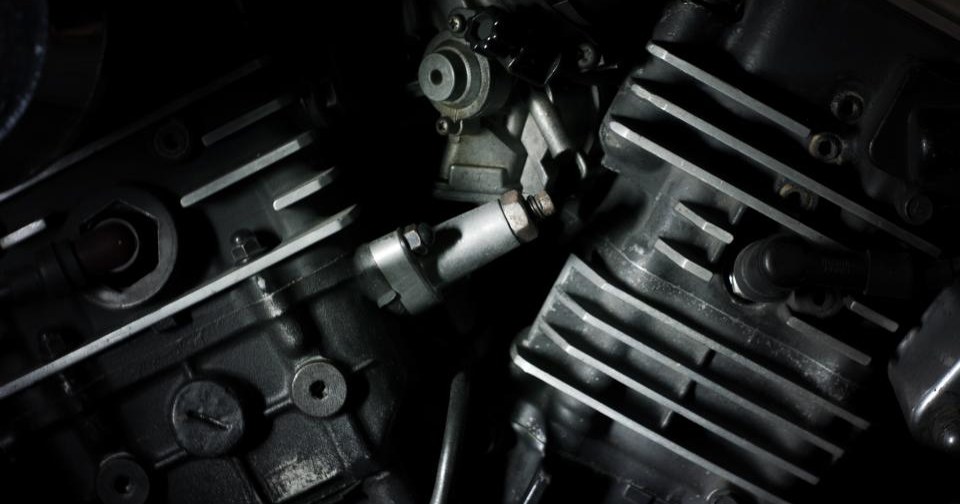
A modern car can look like a mystery box full of metal, wires and screens. In reality, it is a team of systems that each do one job and share information with each other. This guide walks you through the main parts of a car in plain language, so you know what you are looking at the next time you open the bonnet or read your owner’s manual.
The Engine or Motor: Where Power Begins
Every car needs something to create the energy that moves it forward. In a traditional car, this is an engine that burns fuel to create motion. In an electric car, it is an electric motor that uses stored electricity. A hybrid car combines both.
No matter the type, the power source has the same purpose: it turns stored energy into turning force. That force is what eventually spins the wheels.
A few helpful ideas to remember:
- Engines need fuel, air and a spark or pressure to work.
- Electric motors need a battery pack and control electronics.
- Both create heat, so both need a cooling method to stay at a safe working temperature.
The Transmission and Drivetrain: Getting Power to the Wheels
The power source on its own cannot simply push the car along. The transmission and drivetrain carry its power to the wheels in a useful way. Think of them as the link between the “muscle” and the “feet” of the car.
The transmission lets the car use power smoothly at different speeds. It may be manual, where the driver chooses the gear, or automatic, where the car chooses for you. Some electric cars use a much simpler setup because electric motors work well across a wide range of speeds.
After the transmission, shafts and joints send the power on to the wheels. Depending on the design, power may go to the front wheels, the rear wheels or all four wheels. Your owner’s manual tells you which type your car has.
The Steering and Suspension: Control and Comfort
When you turn the steering wheel, a system of linked parts turns the front wheels in the direction you want to go. Most modern cars add power assistance so that steering feels light and easy, even at low speeds.
The suspension sits between the wheels and the body of the car. Its job is to keep the tyres in contact with the road and to soak up bumps so the ride stays comfortable. It is made up of springs, shock absorbers and arms that connect the wheels to the frame.
Signs that these systems may need attention include:
- The car pulls to one side when you drive straight.
- The steering feels loose, heavy or makes unusual noises.
- The car bounces a lot after going over a bump.
- Uneven wear shows on the tyres.
If you notice any of these, it is wise to have a qualified mechanic take a look.
The Brakes and Tyres: Slowing Down and Staying Grounded
Brakes turn the motion of the car into heat through friction, which slows the wheels down. When you press the pedal, pressure is sent to parts at each wheel that squeeze against a spinning surface. Many electric and hybrid cars also use their motor to help slow the car and recover some energy.
Tyres are the only part of the car that touches the road. They affect grip, braking, steering and comfort. Because of this, they deserve regular attention. Check them by eye for cuts, bulges or uneven wear, and keep them at the pressure listed in your owner’s manual.
Brakes are a safety-critical system, so they should only be inspected and repaired by a qualified professional. Warning signs to listen and feel for include:
- Squealing or grinding sounds when braking.
- A pedal that feels soft, sinks or vibrates.
- The car taking longer than usual to slow down.
- A brake warning light on the dashboard.
The Electrical System and Electronics: The Car’s Nervous System
Modern cars rely on electricity for much more than starting. A battery stores energy, and a charging system keeps it topped up while you drive. This powers the lights, wipers, heating, air conditioning, infotainment screen and many sensors.
Small computers, often called control units, act like the car’s nervous system. They read information from sensors, such as how fast the wheels are turning or how much air is entering the engine, and then adjust how the car behaves. This is why a dashboard warning light can appear even when you cannot feel anything wrong. The car is reporting what its sensors have noticed.
Good habits for the electrical side of your car include:
- Do not ignore warning lights; look them up in the owner’s manual.
- Turn off lights and accessories when the car is parked.
- Have a weak battery checked before it fails completely.
- Avoid adding electrical accessories unless they are installed properly.
The Body, Frame and Safety Features: Protecting the People Inside
The body and frame hold everything together and form the cabin where you sit. Today’s cars are designed with areas that crumple in a controlled way and a strong passenger cell that helps protect those inside. Seat belts, airbags, head restraints and similar features all work together as a single safety system.
Other body parts you probably use every day include the doors, windows, mirrors, lights and windscreen. They may seem simple, but they matter a great deal for visibility and safety. Keep glass clean, make sure all lights work, and set your mirrors before you start driving.
Safety equipment such as airbags and seat belt systems should never be modified or repaired at home. If a warning light for these systems comes on, have the car checked by a qualified mechanic.
Conclusion
A car may seem complicated, but it becomes much easier to understand once you see it as a set of teams. The engine or motor makes power, the transmission and drivetrain deliver it, the steering and suspension give control, the brakes and tyres keep you safe on the road, the electronics coordinate everything, and the body protects the people inside.
Knowing these basics helps you notice when something feels different, ask better questions at the garage and understand your owner’s manual with more confidence. Take a few minutes to read the manual for your own car and find these parts for yourself. A little knowledge goes a long way toward safer, calmer driving.
This article is for general educational purposes only. Always follow your vehicle owner’s manual, local traffic laws and the advice of a qualified mechanic for your specific vehicle.