Automotive Technology
Technology Behind Modern Mobility
Inside Modern Vehicles
From Mechanical Machines to Connected Systems
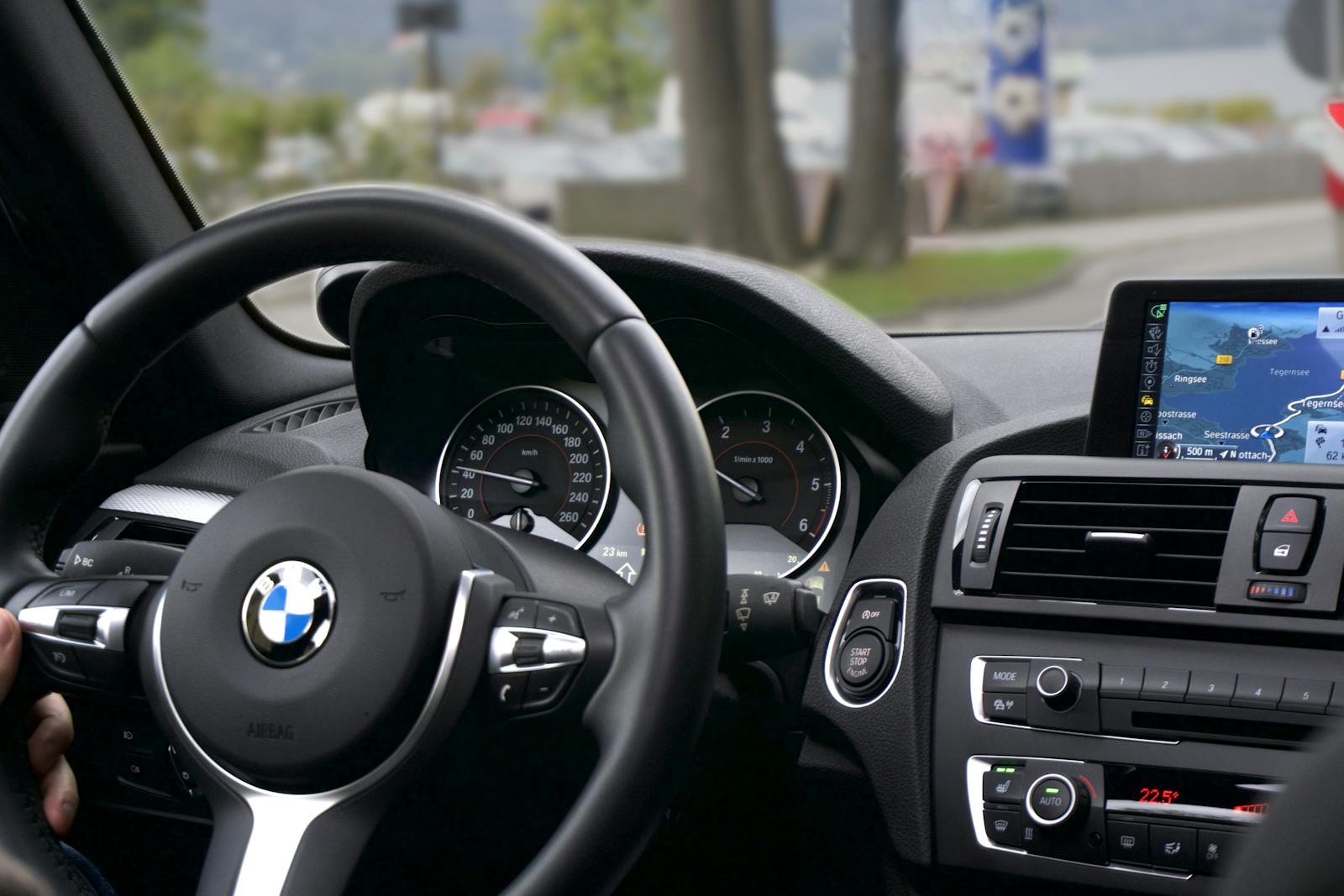
Automobiles have evolved from primarily mechanical machines into highly connected systems that combine mechanical engineering, electronics, software, sensors, and communication technologies.
QuickZipAuto explores these developments in an accessible way.
Technology Topics
Key Areas of Automotive Technology
Advanced Driver-Assistance Systems
Features such as adaptive cruise control, lane-keeping assistance, and automatic emergency braking are designed to support the driver. They do not replace attentive driving.
Vehicle Sensors
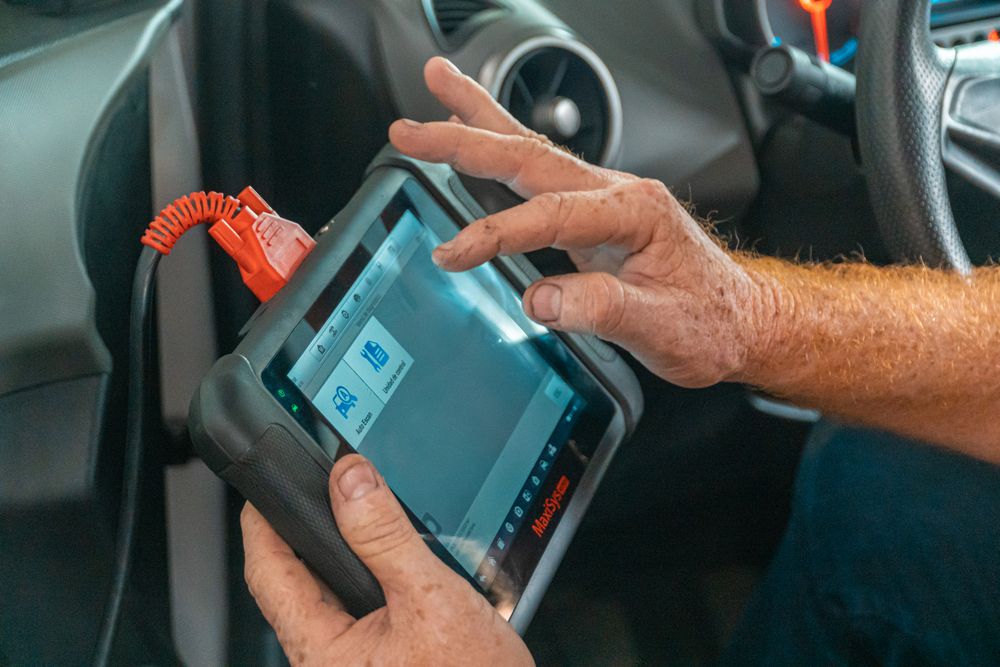
Cameras, radar, ultrasonic sensors, and other devices help vehicles detect their surroundings and monitor their own systems.
Digital Dashboards
Many modern vehicles use configurable screens in place of traditional gauges to display speed, navigation, and vehicle information.
Connected-Car Technology
Connected vehicles can exchange data with phones, apps, and online services for features such as software updates and vehicle status checks.
Navigation & Communication
Built-in and phone-based navigation, hands-free calling, and voice control help drivers stay informed while keeping attention on the road.
Automotive Software
Software manages many vehicle functions, from engine and battery management to infotainment and driver-assistance features.
Electric Powertrains
Electric vehicles use battery packs and electric motors instead of an internal combustion engine and are recharged from external power sources.
Hybrid Systems
Hybrid vehicles combine an internal combustion engine with one or more electric motors, using different strategies to share the workload.
Vehicle Cybersecurity
As vehicles become more connected, manufacturers apply security measures intended to help protect vehicle systems and personal data.
Future Mobility Concepts
Ideas such as higher levels of automation and new transportation services continue to be researched, tested, and discussed.
Features vary. Technology availability and behaviour differ by manufacturer, model, and market. Check your owner's manual to understand how the features in your vehicle work.
Explore Related Topics
See how technology is shaping transportation, or look up unfamiliar terms in our glossary.